Managing Business Waste in South London: Strategies for a Sustainable Future

Understanding Business Waste
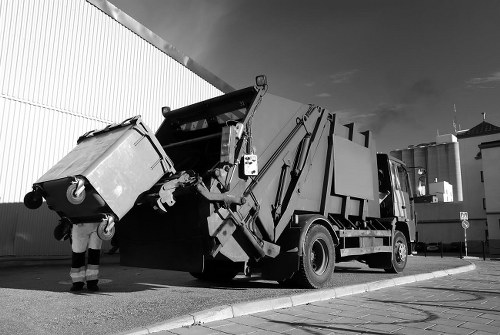
A large industrial waste collection truck, with a hydraulic lift system, is actively engaged in rubbish removal in an outdoor urban setting. The truck's body is constructed from metal with a smooth, reflective surface, painted in a dark tone, and features a sturdy, utilitarian design typical of commercial waste vehicles. The front of the vehicle shows the cab area where the driver operates, while the rear section contains a large, enclosed refuse container with a hydraulic lifting mechanism partially visible, suggesting ongoing loading or unloading activities. A worker, dressed in high-visibility clothing and protective trousers, is positioned on the left side of the truck, manually handling a sizeable wheelie bin with a textured, plastic surface, designed for waste collection. The bin's durable, smooth exterior contrasts with the rougher texture of the surrounding asphalt pavement. In the background, a high corrugated metal fence extends along the left side of the image, with a clear sky featuring soft clouds overhead. The scene takes place in a paved, urban environment that could be located within the South London area, where Rubbish Removal South London operates, with nearby industrial buildings visible further back. The overall scene captures a routine waste collection operation focused on commercial rubbish as part of professional waste management services.

Business waste encompasses a wide range of materials generated by companies in their daily operations. In South London, the diversity of industries means that the volume and types of waste can vary significantly. From office paper to construction debris, managing this waste effectively is crucial for environmental sustainability and regulatory compliance.

Effective waste management not only helps in reducing environmental impact but also contributes to cost savings and improved corporate image. Businesses in South London must adopt comprehensive waste management strategies to handle their unique waste streams efficiently.

By understanding the nature and sources of business waste, companies can implement targeted solutions that minimize waste generation and promote recycling and reuse.

Types of Business Waste in South London
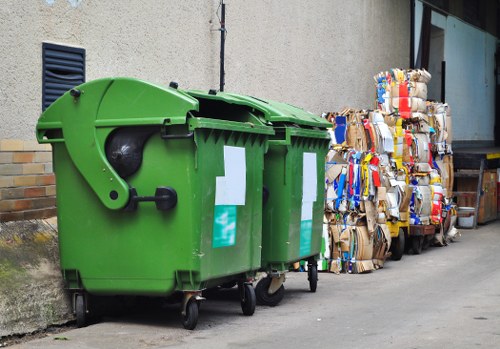
A large green waste collection bin with a hinged lid, positioned on a paved outdoor area adjacent to a concrete building wall, with two white stickers on its front. To the right of the bin, there are multiple compacted bundles of cardboard and paper waste, tightly stacked and bound with twine or straps. The background includes a section of a glass window and a portion of the building's exterior wall, suggesting a commercial or industrial setting in South London. The scene is illuminated by natural daylight, emphasizing the textures and colors of the waste materials, with the cardboard bundles appearing in brown, blue, and white tones and the bin's finish being smooth and reflective. This setup exemplifies typical rubbish disposal arrangements managed by services such as Rubbish Removal South London in the context of business waste management.

South London businesses produce various types of waste, each requiring specific management approaches. The primary categories include:

  • Office Waste: Includes paper, cardboard, plastics, and electronic waste generated by administrative activities.
  • Industrial Waste: Comprises metals, chemicals, and other materials from manufacturing processes.
  • Construction Waste: Consists of concrete, wood, metals, and other materials from building and renovation projects.
  • Restaurant Waste: Includes food scraps, packaging, and single-use items from food service establishments.

Each type of waste presents distinct challenges and opportunities for recycling and disposal, necessitating specialized handling and processing.

Regulations Governing Business Waste
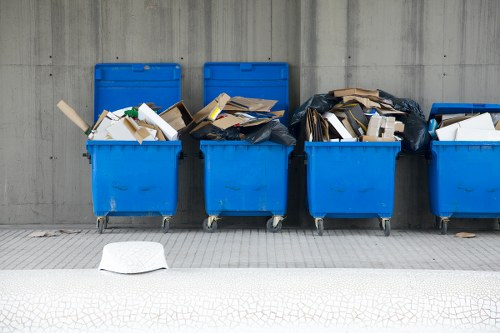
A row of five large blue wheeled rubbish bins positioned on a concrete pavement in front of a plain grey concrete wall, with the second and fourth bins overflowing with mixed waste materials including flattened cardboard boxes, paper packaging, and black plastic trash bags. The waste is spilling out onto the ground, some of the cardboard pieces bent and torn, and the bags appearing crumpled and slightly open. In the foreground, near the left side, there is a small white plastic container lying on the pavement, which features a textured, patterned surface. The environment appears to be an outdoor area possibly outside a commercial or industrial property in South London, with natural daylight illuminating the scene. The overall setting suggests a typical waste collection point that Rubbish Removal South London services, emphasizing the importance of effective rubbish management for local businesses.

Businesses in South London must comply with various local and national regulations regarding waste management. These regulations are designed to minimize environmental impact and promote sustainable practices among businesses.

The Environmental Protection Act 1990 sets the framework for waste disposal, requiring businesses to manage their waste responsibly. Additionally, the Waste Electrical and Electronic Equipment (WEEE) Regulations mandate the proper recycling of electronic waste.

Non-compliance with these regulations can result in hefty fines and damage to a company's reputation, making adherence essential for all businesses operating in the region.

Waste Management Solutions
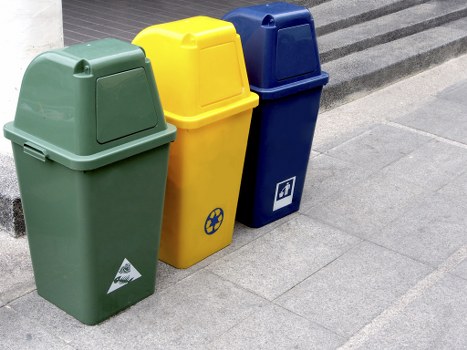
The image shows three large plastic waste bins placed on a paved sidewalk, arranged side by side for rubbish collection. The first bin on the left is green with a slightly rounded lid, marked with a recycling symbol and a label at the bottom, likely for general waste or recyclables. The middle bin is yellow, also with a rounded lid, featuring a printed recycling icon indicating it is designated for recyclable materials. The third bin on the right is dark blue, similarly with a rounded lid and a white symbol on its front, probably intended for a specific waste stream such as paper or plastics. The bins are positioned on a concrete or stone paving area, adjacent to a building or public space, with a striped shadow cast across part of the pavement, suggesting natural daylight. The arrangement and condition of the bins suggest they are set out for routine rubbish or recycling collection by a professional waste management service, such as Rubbish Removal South London, serving the South London area, including nearby postcode regions. This setup aligns naturally with waste disposal and rubbish removal services operating within urban or suburban environments in South London.

Implementing effective waste management solutions is critical for businesses aiming to reduce their environmental footprint and enhance operational efficiency. Key strategies include:

  1. Recycling Programs: Establishing comprehensive recycling initiatives to divert waste from landfills.
  2. Waste Audits: Conducting regular assessments to identify waste generation patterns and opportunities for reduction.
  3. Employee Training: Educating staff on best practices for waste segregation and disposal.
  4. Partnering with Waste Management Services: Collaborating with specialized providers for efficient waste collection and processing.

Adopting these solutions can lead to significant improvements in waste management, benefiting both the environment and the business’s bottom line.

Recycling and Sustainability Initiatives

A large commercial waste skip with a partially raised blue lid is positioned on a paved street or driveway, with a backdrop of an overgrown area featuring tall grass and wildflowers. The skip is constructed from heavy-duty white polypropylene material, with visible horizontal ridges and a metal reinforcement around the top edge. Red and white chevron reflective markers are affixed to the front sides for visibility, and a small no-parking sign is attached on the right side of the skip. The setting appears to be in a suburban or urban area, possibly within South London, with an overcast or diffused lighting condition that softens shadows. The street edge is marked with painted yellow and white lines, indicating parking restrictions. Surrounding the skip, there is a concrete curb and some small weeds growing in the cracks between and along the edge of the pavement, illustrating typical outdoor waste management infrastructure. The image evokes the practical context of rubbish removal services provided by Rubbish Removal South London, emphasizing their domestic or commercial waste collection capabilities in the local area.

Recycling is a cornerstone of sustainable waste management. South London businesses can implement various initiatives to enhance their recycling efforts:

  • Paper and Cardboard Recycling: Ensuring proper segregation and recycling of paper products to reduce deforestation.
  • Electronic Waste Recycling: Partnering with certified recyclers to handle e-waste responsibly.
  • Organic Waste Composting: Converting food scraps and organic waste into compost for agricultural use.
  • Metal and Plastic Recycling: Reprocessing metals and plastics to create new products, minimizing the need for raw materials.

These initiatives not only contribute to environmental sustainability but also enhance the corporate social responsibility profile of businesses in South London.

Economic Benefits of Effective Waste Management

A large industrial waste collection truck, with a hydraulic lift system, is actively engaged in rubbish removal in an outdoor urban setting. The truck's body is constructed from metal with a smooth, reflective surface, painted in a dark tone, and features a sturdy, utilitarian design typical of commercial waste vehicles. The front of the vehicle shows the cab area where the driver operates, while the rear section contains a large, enclosed refuse container with a hydraulic lifting mechanism partially visible, suggesting ongoing loading or unloading activities. A worker, dressed in high-visibility clothing and protective trousers, is positioned on the left side of the truck, manually handling a sizeable wheelie bin with a textured, plastic surface, designed for waste collection. The bin's durable, smooth exterior contrasts with the rougher texture of the surrounding asphalt pavement. In the background, a high corrugated metal fence extends along the left side of the image, with a clear sky featuring soft clouds overhead. The scene takes place in a paved, urban environment that could be located within the South London area, where Rubbish Removal South London operates, with nearby industrial buildings visible further back. The overall scene captures a routine waste collection operation focused on commercial rubbish as part of professional waste management services.

Adopting effective waste management practices offers numerous economic benefits for businesses. These include:

  • Cost Savings: Reducing waste disposal costs through recycling and waste minimization strategies.
  • Revenue Generation: Selling recyclable materials can create an additional income stream.
  • Enhanced Efficiency: Streamlining waste management processes can lead to operational efficiencies and lower overheads.
  • Improved Marketability: Demonstrating commitment to sustainability can attract environmentally conscious customers and partners.

Investing in waste management not only supports environmental goals but also strengthens the financial health of businesses.

Challenges in Managing Business Waste

A large green waste collection bin with a hinged lid, positioned on a paved outdoor area adjacent to a concrete building wall, with two white stickers on its front. To the right of the bin, there are multiple compacted bundles of cardboard and paper waste, tightly stacked and bound with twine or straps. The background includes a section of a glass window and a portion of the building's exterior wall, suggesting a commercial or industrial setting in South London. The scene is illuminated by natural daylight, emphasizing the textures and colors of the waste materials, with the cardboard bundles appearing in brown, blue, and white tones and the bin's finish being smooth and reflective. This setup exemplifies typical rubbish disposal arrangements managed by services such as Rubbish Removal South London in the context of business waste management.

Despite the benefits, managing business waste in South London presents several challenges:

  • Complex Waste Streams: Diverse types of waste require specialized handling and disposal methods.
  • Regulatory Compliance: Navigating the complex landscape of local and national waste regulations can be daunting.
  • Resource Allocation: Allocating sufficient resources for waste management processes can strain budgets.
  • Employee Engagement: Ensuring all staff adhere to waste management protocols requires ongoing training and motivation.

Addressing these challenges is essential for businesses to achieve effective and sustainable waste management.

Innovative Waste Management Technologies

A row of five large blue wheeled rubbish bins positioned on a concrete pavement in front of a plain grey concrete wall, with the second and fourth bins overflowing with mixed waste materials including flattened cardboard boxes, paper packaging, and black plastic trash bags. The waste is spilling out onto the ground, some of the cardboard pieces bent and torn, and the bags appearing crumpled and slightly open. In the foreground, near the left side, there is a small white plastic container lying on the pavement, which features a textured, patterned surface. The environment appears to be an outdoor area possibly outside a commercial or industrial property in South London, with natural daylight illuminating the scene. The overall setting suggests a typical waste collection point that Rubbish Removal South London services, emphasizing the importance of effective rubbish management for local businesses.

Advancements in technology are revolutionizing waste management for businesses in South London. Innovative solutions include:

  • Automated Waste Sorting: Using AI and robotics to efficiently sort and segregate different types of waste.
  • Waste Tracking Systems: Implementing digital platforms to monitor waste generation and disposal in real-time.
  • Energy Recovery: Converting waste into energy through processes like anaerobic digestion and incineration.
  • Biodegradable Packaging: Utilizing eco-friendly packaging materials to reduce waste at the source.

These technologies enhance the efficiency and effectiveness of waste management practices, supporting businesses in their sustainability goals.

Case Studies: Successful Waste Management in South London

The image shows three large plastic waste bins placed on a paved sidewalk, arranged side by side for rubbish collection. The first bin on the left is green with a slightly rounded lid, marked with a recycling symbol and a label at the bottom, likely for general waste or recyclables. The middle bin is yellow, also with a rounded lid, featuring a printed recycling icon indicating it is designated for recyclable materials. The third bin on the right is dark blue, similarly with a rounded lid and a white symbol on its front, probably intended for a specific waste stream such as paper or plastics. The bins are positioned on a concrete or stone paving area, adjacent to a building or public space, with a striped shadow cast across part of the pavement, suggesting natural daylight. The arrangement and condition of the bins suggest they are set out for routine rubbish or recycling collection by a professional waste management service, such as Rubbish Removal South London, serving the South London area, including nearby postcode regions. This setup aligns naturally with waste disposal and rubbish removal services operating within urban or suburban environments in South London.

Several businesses in South London have successfully implemented waste management strategies, serving as models for others:

  • TechCorp Solutions: By adopting a comprehensive recycling program and reducing paper usage, TechCorp reduced their waste by 30% within a year.
  • GreenBuild Contractors: Implemented on-site waste segregation and partnered with local recyclers, achieving a 50% diversion rate from landfills.
  • EcoBite Restaurants: Introduced composting for food waste and switched to biodegradable packaging, significantly lowering their environmental impact.

These case studies demonstrate the tangible benefits of proactive waste management and provide valuable insights for other businesses.

Future Trends in Business Waste Management

A large commercial waste skip with a partially raised blue lid is positioned on a paved street or driveway, with a backdrop of an overgrown area featuring tall grass and wildflowers. The skip is constructed from heavy-duty white polypropylene material, with visible horizontal ridges and a metal reinforcement around the top edge. Red and white chevron reflective markers are affixed to the front sides for visibility, and a small no-parking sign is attached on the right side of the skip. The setting appears to be in a suburban or urban area, possibly within South London, with an overcast or diffused lighting condition that softens shadows. The street edge is marked with painted yellow and white lines, indicating parking restrictions. Surrounding the skip, there is a concrete curb and some small weeds growing in the cracks between and along the edge of the pavement, illustrating typical outdoor waste management infrastructure. The image evokes the practical context of rubbish removal services provided by Rubbish Removal South London, emphasizing their domestic or commercial waste collection capabilities in the local area.

The landscape of business waste management is continually evolving. Future trends include:

  • Circular Economy: Emphasizing the reuse and recycling of materials to create a closed-loop system.
  • Advanced Recycling Technologies: Developing more efficient and effective recycling methods to handle complex waste streams.
  • Sustainable Packaging: Innovating packaging solutions that minimize environmental impact.
  • Policy Enhancements: Introducing stricter regulations and incentives to promote sustainable waste management practices.

Staying ahead of these trends will enable businesses in South London to maintain effective and sustainable waste management systems.

Implementing a Waste Management Plan

A large industrial waste collection truck, with a hydraulic lift system, is actively engaged in rubbish removal in an outdoor urban setting. The truck's body is constructed from metal with a smooth, reflective surface, painted in a dark tone, and features a sturdy, utilitarian design typical of commercial waste vehicles. The front of the vehicle shows the cab area where the driver operates, while the rear section contains a large, enclosed refuse container with a hydraulic lifting mechanism partially visible, suggesting ongoing loading or unloading activities. A worker, dressed in high-visibility clothing and protective trousers, is positioned on the left side of the truck, manually handling a sizeable wheelie bin with a textured, plastic surface, designed for waste collection. The bin's durable, smooth exterior contrasts with the rougher texture of the surrounding asphalt pavement. In the background, a high corrugated metal fence extends along the left side of the image, with a clear sky featuring soft clouds overhead. The scene takes place in a paved, urban environment that could be located within the South London area, where Rubbish Removal South London operates, with nearby industrial buildings visible further back. The overall scene captures a routine waste collection operation focused on commercial rubbish as part of professional waste management services.

Creating a robust waste management plan involves several key steps:

  1. Assess Current Waste Generation: Conduct a waste audit to understand the types and quantities of waste produced.
  2. Set Waste Reduction Goals: Establish measurable objectives for reducing waste.
  3. Develop Strategies and Policies: Create policies for waste segregation, recycling, and disposal.
  4. Train Employees: Educate staff on waste management procedures and the importance of sustainability.
  5. Monitor and Review: Regularly assess the effectiveness of the waste management plan and make necessary adjustments.

Implementing these steps can help businesses systematically manage their waste and achieve their sustainability targets.

The Role of Local Authorities

A large green waste collection bin with a hinged lid, positioned on a paved outdoor area adjacent to a concrete building wall, with two white stickers on its front. To the right of the bin, there are multiple compacted bundles of cardboard and paper waste, tightly stacked and bound with twine or straps. The background includes a section of a glass window and a portion of the building's exterior wall, suggesting a commercial or industrial setting in South London. The scene is illuminated by natural daylight, emphasizing the textures and colors of the waste materials, with the cardboard bundles appearing in brown, blue, and white tones and the bin's finish being smooth and reflective. This setup exemplifies typical rubbish disposal arrangements managed by services such as Rubbish Removal South London in the context of business waste management.

Local authorities in South London play a pivotal role in facilitating effective business waste management. Their responsibilities include:

  • Regulation Enforcement: Ensuring businesses comply with waste management laws and standards.
  • Providing Resources: Offering guidance, training, and resources to help businesses manage waste effectively.
  • Supporting Recycling Initiatives: Facilitating access to recycling facilities and promoting community-wide sustainability programs.
  • Monitoring and Reporting: Tracking waste management performance and reporting on environmental metrics.

Collaborating with local authorities can enhance a business’s waste management efforts and ensure alignment with regional sustainability goals.

Benefits to the Community

A row of five large blue wheeled rubbish bins positioned on a concrete pavement in front of a plain grey concrete wall, with the second and fourth bins overflowing with mixed waste materials including flattened cardboard boxes, paper packaging, and black plastic trash bags. The waste is spilling out onto the ground, some of the cardboard pieces bent and torn, and the bags appearing crumpled and slightly open. In the foreground, near the left side, there is a small white plastic container lying on the pavement, which features a textured, patterned surface. The environment appears to be an outdoor area possibly outside a commercial or industrial property in South London, with natural daylight illuminating the scene. The overall setting suggests a typical waste collection point that Rubbish Removal South London services, emphasizing the importance of effective rubbish management for local businesses.

Effective business waste management in South London extends benefits beyond the individual companies. Key community advantages include:

  • Environmental Protection: Reducing pollution and conserving natural resources through proper waste handling.
  • Public Health Improvement: Minimizing waste-related health hazards by preventing improper disposal.
  • Economic Growth: Creating jobs in the recycling and waste management sectors.
  • Enhanced Quality of Life: Maintaining cleaner and more sustainable urban environments.

These community benefits underscore the importance of collaborative and proactive waste management strategies among businesses.

Choosing the Right Waste Management Partner

The image shows three large plastic waste bins placed on a paved sidewalk, arranged side by side for rubbish collection. The first bin on the left is green with a slightly rounded lid, marked with a recycling symbol and a label at the bottom, likely for general waste or recyclables. The middle bin is yellow, also with a rounded lid, featuring a printed recycling icon indicating it is designated for recyclable materials. The third bin on the right is dark blue, similarly with a rounded lid and a white symbol on its front, probably intended for a specific waste stream such as paper or plastics. The bins are positioned on a concrete or stone paving area, adjacent to a building or public space, with a striped shadow cast across part of the pavement, suggesting natural daylight. The arrangement and condition of the bins suggest they are set out for routine rubbish or recycling collection by a professional waste management service, such as Rubbish Removal South London, serving the South London area, including nearby postcode regions. This setup aligns naturally with waste disposal and rubbish removal services operating within urban or suburban environments in South London.

Selecting a reliable waste management partner is crucial for effective waste handling. Consider the following factors when choosing a provider:

  • Reputation and Reliability: Look for companies with proven track records and positive customer feedback.
  • Comprehensive Services: Ensure the provider offers a full range of services tailored to your business’s specific waste types.
  • Compliance and Certifications: Verify that the provider adheres to all relevant regulations and holds necessary certifications.
  • Environmental Commitment: Choose partners committed to sustainable practices and environmental protection.

Partnering with the right waste management company can streamline your waste processes and enhance your sustainability efforts.

Conclusion

A large commercial waste skip with a partially raised blue lid is positioned on a paved street or driveway, with a backdrop of an overgrown area featuring tall grass and wildflowers. The skip is constructed from heavy-duty white polypropylene material, with visible horizontal ridges and a metal reinforcement around the top edge. Red and white chevron reflective markers are affixed to the front sides for visibility, and a small no-parking sign is attached on the right side of the skip. The setting appears to be in a suburban or urban area, possibly within South London, with an overcast or diffused lighting condition that softens shadows. The street edge is marked with painted yellow and white lines, indicating parking restrictions. Surrounding the skip, there is a concrete curb and some small weeds growing in the cracks between and along the edge of the pavement, illustrating typical outdoor waste management infrastructure. The image evokes the practical context of rubbish removal services provided by Rubbish Removal South London, emphasizing their domestic or commercial waste collection capabilities in the local area.

Managing business waste in South London is a multifaceted challenge that requires strategic planning and dedicated efforts. By understanding the types of waste, complying with regulations, implementing effective management solutions, and embracing sustainability initiatives, businesses can significantly reduce their environmental impact.

Moreover, the economic and community benefits of robust waste management practices highlight the importance of proactive engagement in this area. As South London continues to grow and evolve, businesses must stay ahead of waste management trends and leverage innovative technologies to maintain sustainable operations.

Contact us today to learn more about how your business can implement effective waste management strategies and contribute to a greener South London.

Frequently Asked Questions

We utilize state-of-the-art equipment and industry-best methods to ensure efficient and safe waste management for your business. Our fleet includes modern compactors, recycling units, and secure transportation vehicles. With over 20 years of experience, our team is trained to handle all types of business waste professionally. Contact our team for a quick quote.

Yes, we are proudly accredited by leading industry bodies such as the Environmental Protection Agency (EPA) and the Waste Management Association (WMA). These accreditations reflect our commitment to high standards and continuous improvement. Trust our certified professionals to manage your business waste responsibly.

Absolutely. We hold all necessary certifications and comprehensive insurance to ensure full legal compliance in waste disposal. Our certifications include ISO 14001 for environmental management, and our insurance covers liability and property protection. Feel confident choosing us for your waste management needs.

We achieve a recycling rate of over 85%, demonstrating our strong commitment to environmental responsibility. We implement rigorous sorting processes and partner with certified recycling facilities to minimize landfill waste. Our sustainable practices help your business reduce its ecological footprint.

With over two decades of experience, we have a proven track record in providing reliable and efficient business waste management solutions. Our seasoned team understands the unique needs of businesses and delivers tailored services that ensure compliance and sustainability.

Yes, we offer competitive and flexible pricing tailored to fit the budgets of small businesses. Our transparent pricing ensures you receive top-quality services without hidden costs. Contact us to discuss affordable waste management solutions that meet your specific needs.

Safety is our top priority. We adhere to strict safety protocols and regularly train our staff on best practices. Our equipment is maintained to the highest standards, and we follow all regulatory guidelines to ensure safe and secure waste handling for your business.

Absolutely. We maintain complete transparency in our pricing and waste handling processes. You’ll receive detailed quotes with no hidden fees, and we keep you informed every step of the way. Our clear communication builds trust and ensures you’re fully aware of how your waste is managed.

Yes, we are committed to ethical practices in all aspects of our waste management services. We prioritize responsible recycling, adhere to all regulations, and ensure fair treatment of our employees and partners. Our integrity-driven approach ensures your waste is managed ethically and sustainably.

Yes, we offer reliable business waste services in your area. Our extensive network ensures prompt and efficient waste collection and disposal. Search for our trusted services near you and experience the quality and professionalism that sets us apart.

Our comprehensive waste management solutions help your business stay compliant, reduce costs, and promote sustainability. By handling your waste efficiently, we allow you to focus on your core operations while enhancing your environmental responsibility. Let us help streamline your waste processes today.

Our combination of experience, certifications, and customer-focused services makes us the best choice for your business waste needs. We offer reliable, affordable, and environmentally responsible solutions backed by a proven track record. Choose us for a partnership you can trust and depend on.
Rubbish Removal South London

Explore comprehensive strategies for managing business waste in South London, including types, regulations, solutions, and sustainable practices to ensure environmental and economic benefits.

Book Your Service Now

Get In Touch With Us.

Please fill out the form below to send us an email and we will get back to you as soon as possible.