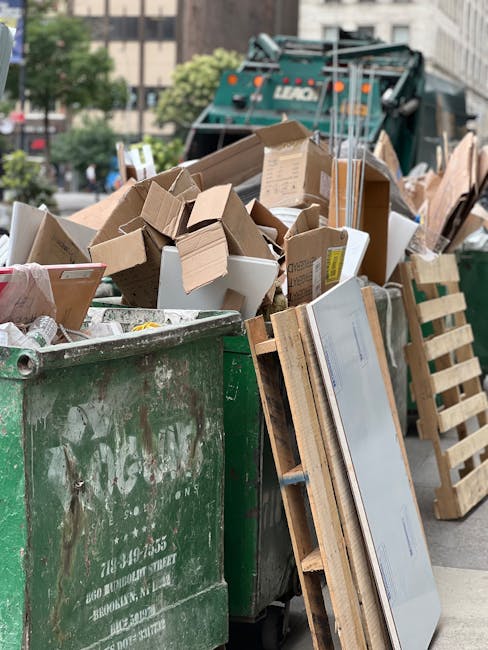
Clapham SW4 guide to rubbish collection and bulky waste
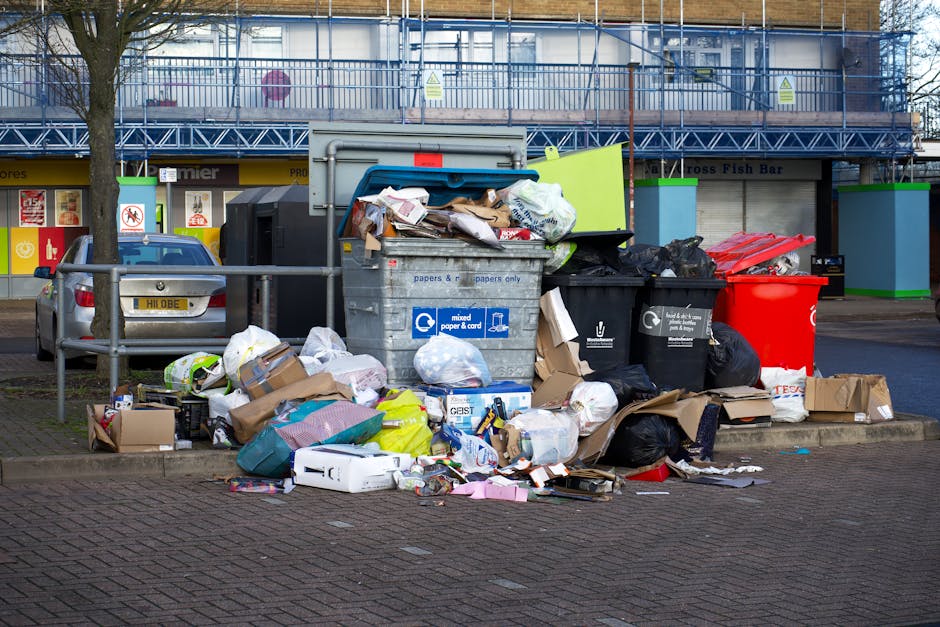
If you live or work in Clapham SW4, rubbish has a habit of building up at the worst possible time. A sofa that no longer fits the room. Old flooring after a refit. A garage full of "I'll deal with that later" boxes. This Clapham SW4 guide to rubbish collection and bulky waste is here to make the whole process feel less messy, less confusing, and a lot more manageable.
In practical terms, rubbish collection covers the everyday stuff that needs removing from a property, while bulky waste usually means larger items that are awkward to move, carry, or dispose of properly. That might sound straightforward, but the details matter. Access, item type, sorting, timing, and disposal method can all affect what makes sense. Let's face it, nobody wants to discover on removal day that a wardrobe won't fit through a narrow hall or that a mattress needs a different plan altogether.
This guide walks through how rubbish collection and bulky waste removal typically works in Clapham SW4, what to expect, what to avoid, and how to choose a sensible option for your home, flat, office, or rental property.
Why Clapham SW4 guide to rubbish collection and bulky waste Matters
Clapham is busy, densely lived-in, and full of homes that do not always have generous storage or easy ground-floor access. That alone makes waste removal more of a planning task than a simple bin-day chore. In SW4, one missed collection or one oversized item left too long can quickly become a nuisance for you, your neighbours, and sometimes your managing agent or landlord.
There is also a practical side that gets overlooked. Bulky items left in communal areas can create obstructions, fire-safety concerns, or just plain inconvenience. A hallway with a mattress leaning against the wall is not a neutral thing; it changes how people move through the space. In a shared building, that matters. In a shop or office, it matters even more.
Another reason this topic matters is that not everything should be treated as ordinary rubbish. Some items need separating before collection, and some items simply need a different disposal route. That is especially true for furniture, electricals, plasterboard from small refurb jobs, garden cuttings, and mixed loads after a clear-out. If you get the process wrong, you can end up with repeated handling, extra costs, or a trip that does not remove everything in one go.
For many people, the real goal is not just disposal. It is a clean reset. You want the room back, the loft cleared, the garden usable, the office tidy, and the stress gone. That is the bit people usually want most, even if they do not say it out loud.
How Clapham SW4 guide to rubbish collection and bulky waste Works
Rubbish collection usually begins with a description of what needs to go, followed by a rough assessment of volume, access, and item type. Bulky waste is often quoted or planned based on how many items there are, how much space they take up, and whether they need dismantling. A single armchair is a very different job from a full flat clearance, even if both start with "just a few things."
For local households, the most common routes are either scheduled collection, ad hoc removal, or a broader clearance service. If your waste is mixed and includes furniture, general junk, and a few awkward items, a more flexible rubbish collection or waste collection service may be the neatest answer. If you need bigger items taken away from a flat, attic, or rental property, a targeted service like furniture disposal can be the practical choice.
Bulky waste work often includes:
- single-item removal such as beds, wardrobes, sofas, or tables
- multiple-item collection after a room refresh or move
- full property clearances after tenancy changes or downsizing
- builder's waste or leftover renovation material from home improvements
- garden or garage clear-outs where the load is awkward rather than heavy
In Clapham SW4, access can be the deciding factor. Basement flats, top-floor conversions, narrow staircases, and controlled parking all affect how a team will work. A quick pre-check helps avoid delays. If you are dealing with a flat share or a smaller apartment, flat clearance is often a better fit than trying to piece together several smaller removals.
There is also a difference between waste removal and waste disposal. Removal is the physical collection from your premises. Disposal is what happens after that. Good practice is to make sure collected items are sorted and directed sensibly, especially where recycling or reuse is possible. A reputable provider should be able to explain the broad process without making things sound more complicated than they are.
Key Benefits and Practical Advantages
Done properly, rubbish collection and bulky waste removal should save you time, reduce stress, and remove the "floating clutter" that tends to spread through a home. That last bit sounds small, but you know the feeling: once one big item sits in the hall, everything else starts to drift around it.
Here are the main advantages people usually notice:
- Fast space recovery - rooms become usable again, often the same day.
- Safer movement through the property - less obstruction in corridors, stairwells, and entrances.
- Less lifting and strain - especially useful for large furniture or heavy mixed loads.
- Better presentation - important for landlords, letting agents, and businesses.
- More predictable disposal - you are not left guessing how to move awkward items.
There is also a subtle but real benefit: momentum. When the bulky stuff goes, people often finish the rest of the declutter quicker. A garage becomes a garage again. A spare room stops being "the holding bay." An office feels less temporary. Small win, but a proper one.
For larger projects, matching the service to the waste stream matters. Builders finishing a refit may need builders waste removed, while an office upgrade may call for office clearance rather than a generic collection. Picking the right type from the outset often makes the whole job easier.
Who This Is For and When It Makes Sense
This kind of service suits a wide mix of people in Clapham SW4. You do not need to be moving house or gutting a property for it to make sense. In fact, many jobs are much smaller than that.
It is often the right option if you are:
- clearing a flat after a tenancy ends
- disposing of a sofa, mattress, wardrobe, or bed frame
- sorting out a garage or basement after months of storage creep
- finishing a light renovation or DIY project
- getting a garden back under control
- preparing a property for sale or letting
- emptying an office, studio, or workroom
It also makes sense when time matters. If a council-style route is too slow for your situation, or if you have multiple item types that need different handling, a private collection can be the more straightforward path. A small example: a resident in a top-floor Clapham conversion may only need a sofa removed, but if it is too large for the stairwell and the lift is tiny or nonexistent, that one item can become a very real logistics problem. That is exactly where a planned collection earns its keep.
If you are dealing with a full property clear-out rather than a handful of items, consider whether a broader service is more suitable. The pages for home clearance and house clearance are useful starting points for that kind of job.
Step-by-Step Guidance
Here is a simple way to approach rubbish collection and bulky waste in Clapham SW4 without overthinking it.
- List everything you want removed. Be specific. "Old stuff" is too vague. A broken chest of drawers, two office chairs, and some packaging is much better.
- Separate bulky items from general waste. Furniture, electricals, green waste, and rubble should not all be treated the same way.
- Check access. Measure doorways if needed, note stairs, parking restrictions, and any loading issues. It saves awkward surprises.
- Decide whether dismantling helps. Sometimes taking a bed frame apart or removing table legs makes the job quicker and safer.
- Choose the right collection type. A single-item pickup is not the same as a general rubbish collection or full clearance.
- Prepare the waste in one place. If safe to do so, group items together so the crew can assess the load quickly.
- Confirm any special items. Sofas, builders waste, garden cuttings, and business waste may need separate handling.
- Ask what happens after collection. Good practice is to understand whether items are reused, recycled, or disposed of as waste.
If your job involves a bulky sofa specifically, sofa removal can be a cleaner match than a general load. If it is garden-heavy, garden clearance usually fits better. And if the issue is simply too much mixed clutter, rubbish removal or waste removal may be the simplest route.
Expert Tips for Better Results
In our experience, the jobs that go smoothly are the ones where the customer has spent ten minutes preparing, not ten hours. A little structure goes a long way.
Tip 1: Group similar items together. It helps with pricing, loading, and disposal planning. A mixed pile is fine, but a clearly sorted one is better.
Tip 2: Be honest about access. If the sofa has to be carried down three tight flights of stairs past a banister that already looks a bit battle-scarred, say so. Nobody enjoys a surprise.
Tip 3: Remove personal items first. This sounds obvious, but drawers, cabinets, and bedside units often contain passports, keys, paperwork, and the odd long-lost charger. Easy to miss.
Tip 4: Don't assume "bulky" means "one category." Furniture, mattresses, timber, mixed builders debris, and garden waste often need different disposal handling. Small distinction, big difference.
Tip 5: Pick the right timing. Early morning collections can make life easier in busier streets. In Clapham, traffic and parking can be a bit of a moving target, especially on a weekday.
Expert summary: The best bulky waste jobs are the ones where access, item type, and volume have been thought through before collection day. That one bit of prep can save money, time, and a lot of back-and-forth.
If you are dealing with a garage stuffed with random household leftovers, garage clearance can be especially useful. And if the job is linked to a move or a bigger life reset, house clearance may be the more complete answer.
Common Mistakes to Avoid
People usually do not get rubbish collection wrong because they are careless. More often, they underestimate the awkwardness of the job. One bulky item is rarely "just one item" once you start moving it.
- Leaving items until the last minute. That creates pressure and reduces your options.
- Mixing everything together. It is harder to assess and may slow down the collection.
- Forgetting access constraints. Narrow stairs, permit parking, and shared entrances all matter.
- Choosing the wrong service type. A business load is not the same as domestic junk, and a builders load is not the same as furniture disposal.
- Not checking item condition. Some things can be reused or donated in principle, but only if they are suitable. Damaged items are different.
- Blocking communal areas. In a shared building, this can create friction very quickly.
Another common one? Assuming everything can be dealt with in a single lift without measuring. That sounds minor until you are halfway through a stairwell with a wardrobe that has suddenly become comically large. Truth be told, that happens more often than people expect.
For rental properties or office spaces, it is worth considering whether a more focused service like business waste or office clearance would give you a cleaner outcome than general waste removal.
Tools, Resources and Recommendations
You do not need fancy equipment to prepare for a collection, but a few simple tools help a lot. Nothing dramatic.
- Tape measure - check large items against doorways and stairs.
- Sturdy gloves - useful for broken fittings, dust, and rough edges.
- Phone flashlight - helpful in lofts, cupboards, and low-lit basements.
- Marker pen or labels - handy when sorting keep, donate, and remove piles.
- Sack trolley or moving straps - only if safe and appropriate for the items involved.
From a planning perspective, the most useful resource is a clear item list. Write it down. Photograph awkward items if needed. This is especially helpful if you are comparing a few different collection options or preparing a larger load. It keeps the conversation simple and avoids the "actually, there's a bit more" problem halfway through.
For small room-by-room clear-outs, rubbish clearance or waste clearance may be more convenient than trying to separate everything into mini jobs. If it is only one bulky item, a targeted removal is usually enough.
Law, Compliance, Standards, or Best Practice
Any rubbish collection service should be handled with care and common sense. In the UK, waste needs to be transferred responsibly, and you should avoid handing items to anyone who cannot explain where the waste goes or how it is handled. You do not need a law degree for this. Just a basic level of caution and a decent provider.
Best practice in Clapham SW4 includes the following:
- Use a responsible carrier for waste transfer rather than leaving items with an unknown collector.
- Keep records where appropriate if you are a business or landlord arranging repeated collections.
- Separate hazardous or unusual waste instead of putting it into a general pile.
- Avoid fly-tipping risk by checking who is removing the waste and how the load is treated after collection.
- Respect shared spaces so that communal corridors and entrances stay clear.
For businesses, landlords, and managing agents, the compliance angle matters a bit more. Office equipment, mixed tenant waste, and end-of-tenancy clearances all benefit from a tidy paper trail and a clear service scope. A simple rule helps: if the waste is mixed, heavy, or potentially sensitive, document what is being removed and why.
There is also a standards point around safety. Heavy furniture, awkward lifting, and tight stairwells can lead to injury if handled badly. The sensible route is the boring one, really: plan the move, use enough people, and do not rush.
Options, Methods, or Comparison Table
Choosing the right approach depends on volume, item type, and how quickly you need the space clear. Here is a simple comparison to help you decide.
| Option | Best for | Strengths | Watch-outs |
|---|---|---|---|
| General rubbish collection | Mixed household or light commercial waste | Flexible, quick, straightforward | May not suit very large or specialised loads |
| Bulky waste removal | Sofas, beds, wardrobes, tables | Ideal for awkward large items | Access and dismantling can affect the job |
| Flat clearance | Tenant moves, decluttering, empty properties | Covers multiple rooms and mixed contents | Needs clearer planning than a single-item job |
| House clearance | Whole-home clear-outs | Comprehensive and efficient | May feel larger than you first expect |
| Furniture disposal | One or more large household items | Simple for sofas, wardrobes, beds | Not always the right fit for mixed waste |
If you are deciding between domestic and commercial support, the distinction matters. An office refit may need business waste handling, while a home declutter may be better served by a home clearance. Choosing well at the start avoids a lot of fiddly juggling later.
Case Study or Real-World Example
A fairly typical Clapham SW4 job might look like this. A couple in a second-floor flat decide to replace a sofa, a wardrobe, and a broken coffee table after finally finishing a bedroom refresh. The hall is narrow, the stairs are curved, and there is no lift. They also have a few bags of old packaging and some small clutter from the spare room.
At first glance, they think it is "just a sofa." Then they stand in the room and realise the wardrobe is too tall to move in one piece, the coffee table has glass in it, and the packaging takes up more floor space than expected. That is pretty normal.
The sensible approach in that situation is to:
- separate the furniture from the light rubbish
- check whether the wardrobe can be dismantled safely
- group everything near the exit without blocking shared areas
- confirm access and parking in advance
- book a collection that can handle mixed bulky waste
By the end of the day, the flat feels different. Not magically bigger, but calmer. The spare room stops looking like a storage overflow zone. You can hear the place again, if that makes sense. Less echo of clutter, more actual space. That is what people are really paying for, most of the time.
Practical Checklist
Use this before your collection day. It keeps things simple.
- Make a complete list of what is going
- Separate furniture, general rubbish, and special waste
- Check doors, stairs, and any tight corners
- Remove personal items from drawers and cupboards
- Clear a route from the items to the exit
- Confirm parking or loading access if needed
- Decide whether anything should be dismantled
- Take photos of awkward or unusually large items
- Keep communal areas clear
- Ask about collection and disposal handling
If your job extends beyond a single room, consider whether a broader service such as garage clearance, garden clearance, or flat clearance would save you the trouble of arranging several separate visits. Sometimes one well-planned collection is better than three almost-good ones.
Conclusion
Rubbish collection and bulky waste removal in Clapham SW4 does not need to be complicated, but it does reward a bit of preparation. The more clearly you define the waste, the easier it becomes to choose the right service, avoid access problems, and get the space back without drama.
Whether you are clearing a flat, replacing old furniture, dealing with builders waste, or finally tackling the garage, the aim is the same: a smoother, safer, more predictable outcome. And honestly, that peace of mind is often worth as much as the empty space itself.
Get a free quote today and see how much you can save.
When the clutter is gone, Clapham feels a bit lighter. You notice the room, the light, the floor you forgot you had. That is a good feeling, and it deserves a straightforward path to get there.
Frequently Asked Questions
What counts as bulky waste in Clapham SW4?
Bulky waste usually means large items that are awkward to carry or dispose of, such as sofas, beds, wardrobes, tables, mattresses, and similar household goods. It can also include some large mixed items from offices or refurbishments.
Is bulky waste the same as general rubbish collection?
Not quite. General rubbish collection can cover mixed light waste, while bulky waste is more about size, shape, and handling difficulty. A service may overlap with both, but the planning is usually different.
Can I book removal for just one item?
Yes, often you can. Single-item collections are common for sofas, mattresses, armchairs, and wardrobes. It is usually worth describing the item clearly so the collection can be planned properly.
What should I do before a bulky waste collection?
Make a clear list, move items to an accessible spot if safe, and check whether anything needs dismantling. It also helps to remove personal belongings from drawers, shelves, and hidden spaces first.
Do I need to separate furniture from other waste?
It is strongly recommended. Sorting furniture, light rubbish, garden material, and builders waste separately makes the job easier and can prevent delays or confusion on the day.
What if my flat has narrow stairs or awkward access?
That is very common in Clapham SW4. Just be honest about it from the start. Narrow stairs, tight turns, and no lift all affect how the collection should be handled.
Is furniture disposal suitable for sofas and beds?
Yes, furniture disposal is often the right fit for sofas, beds, wardrobes, and similar items. If the item is one of several different waste types, a broader rubbish removal or clearance service may be better.
Can landlords and letting agents use the same services?
Absolutely. Flat clearances, house clearances, and waste removal services are often used for end-of-tenancy jobs, void properties, and post-check-out clear-ups.
What is the best option for builders debris after a small renovation?
Builders waste handling is usually the best match for rubble, timber, offcuts, packaging, and mixed renovation leftovers. Keeping it separate from domestic rubbish makes the collection more efficient.
How do I choose between waste collection and waste disposal?
Waste collection refers to the removal from your property, while waste disposal refers to what happens after collection. In practice, most people need both, but the key is choosing a service that handles the full process responsibly.
Are office items treated differently from household waste?
They can be. Office clearance and business waste services are often better suited to desks, chairs, files, electronics, and mixed work-related waste than a standard domestic collection.
What is the easiest way to avoid problems on collection day?
Be specific, sort your items, and give a realistic description of access. That simple bit of honesty prevents most of the avoidable headaches. It really does.